Protect-All Commercial Kitchen Flooring
The floor behind the line takes grease, hot water, dropped pans and twelve-hour shifts, and most floors are not built for all four. Protect-All is. We install it across Central Mississippi — restaurants, schools, breweries, healthcare and animal care.
Request a Commercial Estimate Call (601) 376-9654What It Actually Is
Protect-All is a monolithic recycled-vinyl sheet floor, a quarter of an inch thick, made from more than 90% recycled material. Monolithic matters: there is no thin wear layer sitting on top of a cheaper core, so there is nothing to wear through to. The colour goes all the way down.
Certified high-traction
The matte finish carries a high-traction certification from the National Floor Safety Institute. In a kitchen, that is not a comfort feature — it is your slip-and-fall exposure.
Grease and chemicals do not eat it
The manufacturer rates it non-corrosive against chemicals, animal fats and grease — the three things that destroy an ordinary commercial floor behind a line.
Quarter-inch, anti-fatigue
The thickness takes the ache out of a long shift and absorbs noise. Your staff will notice this one before your accountant does.
Water cannot get into it
Impervious to water absorption, and the seams can be heat-welded into a continuous surface, so there is no grout line for water to sit in.
Why Kitchens Move to It
| Quarry tile | Hard-wearing, but the grout is the weak point. Grout absorbs grease, stains, harbours bacteria and has to be re-sealed. Every joint is a place for water to get under the floor. |
|---|---|
| Epoxy / resin coating | Goes down fast and looks superb on day one. It is a coating: it chips, it peels at the edges, and re-coating means shutting the kitchen down again. |
| Sheet vinyl (standard) | Cheap and quick, and not built for the heat, the grease or the dropped-pan traffic of a working kitchen. |
| Protect-All | Solid all the way through, weldable into one continuous surface, and rated for the grease and chemicals. It is the most expensive of the four up front and it is the one that is still there in ten years. |
Why Most Flooring Companies Will Not Quote This Floor
Protect-All is not hard to buy. Any flooring company can order it. It is hard to install — the sheets are a quarter of an inch thick and unforgiving, the seams have to be heat-welded, and coving it up a wall properly in a room full of equipment, drains and door thresholds is slow, skilled work. That is the real reason you will struggle to find somebody in Central Mississippi who will price it for you. It is not that they cannot get it. It is that they would rather sell you something easier.
A Kitchen Is Not a Flooring Job
A commercial kitchen is a plumbing problem and an electrical problem wearing a flooring problem’s clothes. Floor sinks and trench drains have to end up at the right height relative to the finished floor. Equipment is hard-wired and plumbed in. Move a line, and you have moved somebody’s job.
Three licences, one contractor
Our owner is a licensed plumber, a licensed electrician and a licensed general contractor. On most commercial kitchen jobs those are three companies and three schedules. Here they are one, and the drain heights are somebody’s responsibility rather than somebody else’s problem.
Nearly fifty years in kitchens
Plumbing them, wiring them, and building them. That is not a marketing line about experience — it is why we know what is behind your wall before we open it.
We know how the line moves
We plan around the workflow so your people are not crossing each other and getting in each other’s way. A kitchen that is laid out badly costs you every shift for years, and the floor is when you find out.
Drains, thresholds and heights
The details that decide whether a kitchen floor drains properly or holds a puddle for the next ten years. This is where most kitchen floor jobs are won or lost, and it is decided before anything is laid.
The Kitchens We Have Worked In
Our commercial kitchen work has been mostly institutional and franchise: university dining operations — including one campus kitchen we have remodelled more than once — national quick-service franchise locations on two Mississippi campuses, a landmark Mississippi restaurant, and a series of nursing home kitchens, the most recent of them inside a construction project of around a million dollars.
Those buyers do not choose a contractor on price alone. They choose one who will not shut their dining hall down for a fortnight, and who knows what a health inspector is going to look at.
Where It Goes
Restaurants & commercial kitchens
Cook line, prep, dish pit, walk-in approaches and service corridors.
Breweries & production
Wet floors, constant washdown, heavy rolling loads.
Schools & churches
Cafeteria kitchens and fellowship-hall serving areas that have to survive a volunteer crew and a hose.
Healthcare & animal care
Sanitation, seamless surfaces and traction where the floor gets wet without warning.
How We Do It Without Closing You
| 1. We come at your hours | We look at the floor when the kitchen is not running, and we measure the whole footprint including under equipment. |
|---|---|
| 2. Honest substrate call | What is under the old floor decides the job. We tell you what we find before we quote, not after we start. |
| 3. Phased or overnight | Most kitchens can be done in sections, or across a closure, so you are not dark for a week. |
| 4. Welded and done | Seams heat-welded into one surface, coved up the wall where you want it, and the kitchen back on the line. |
Come and see it on our floor
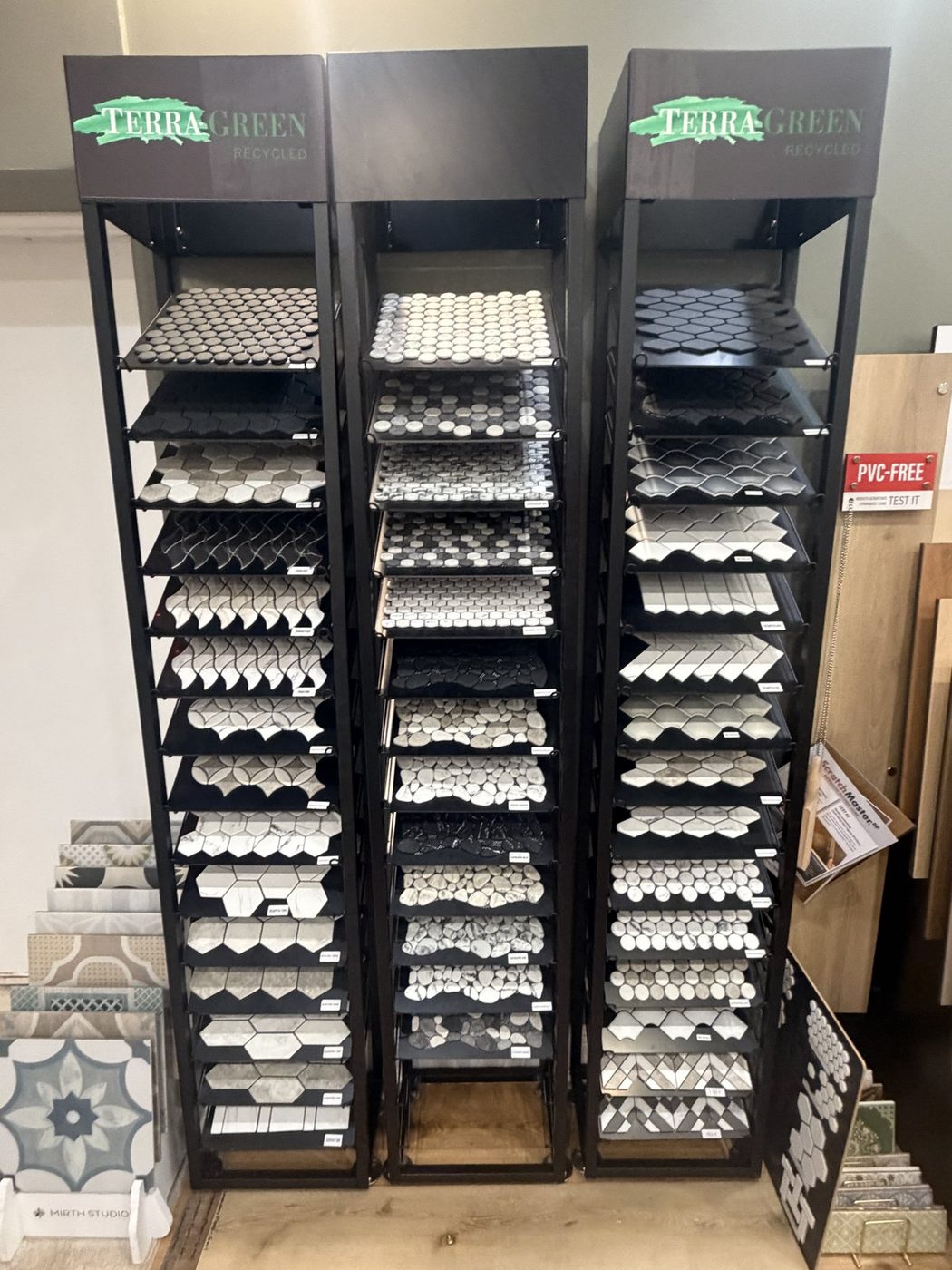
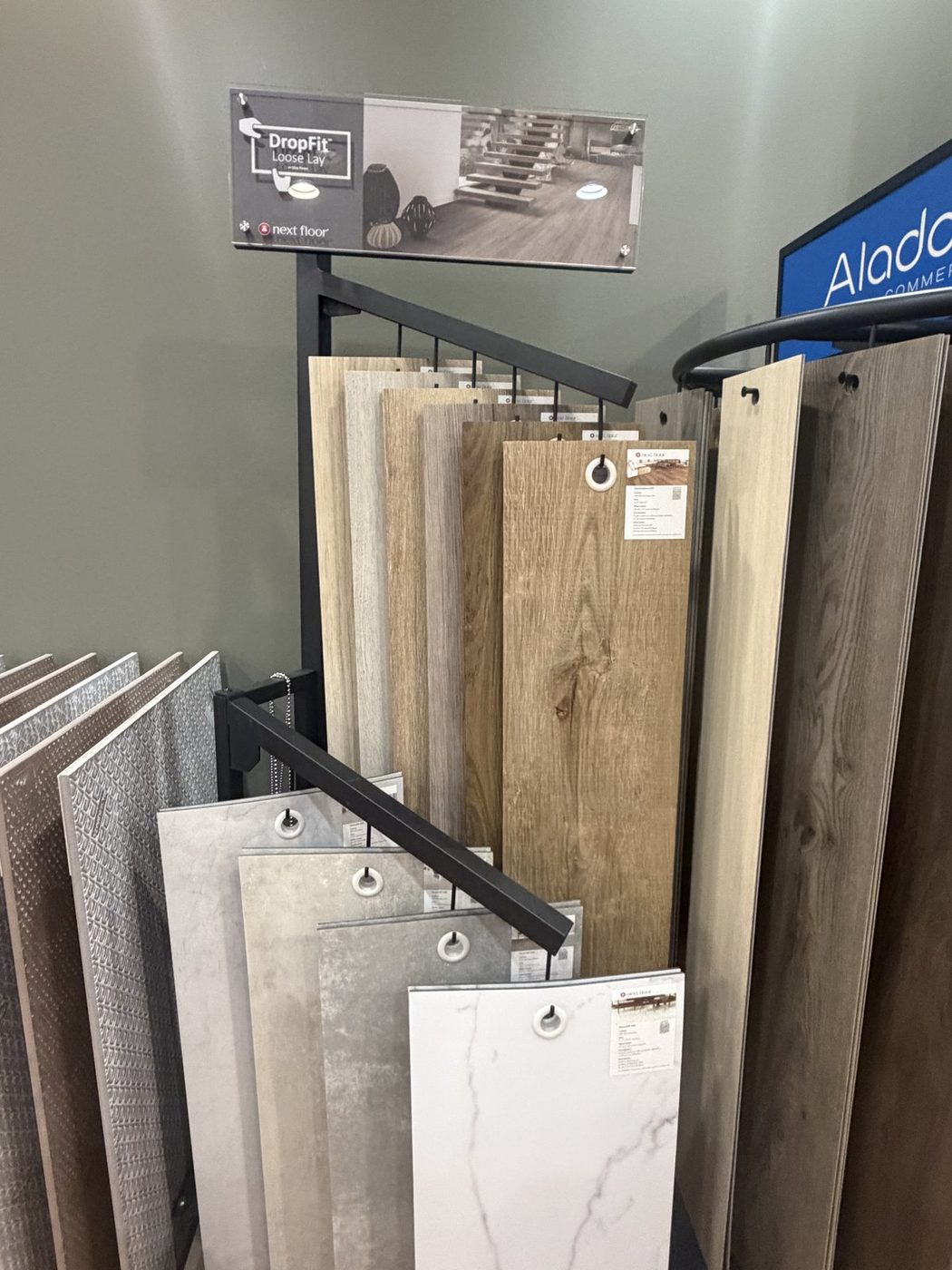
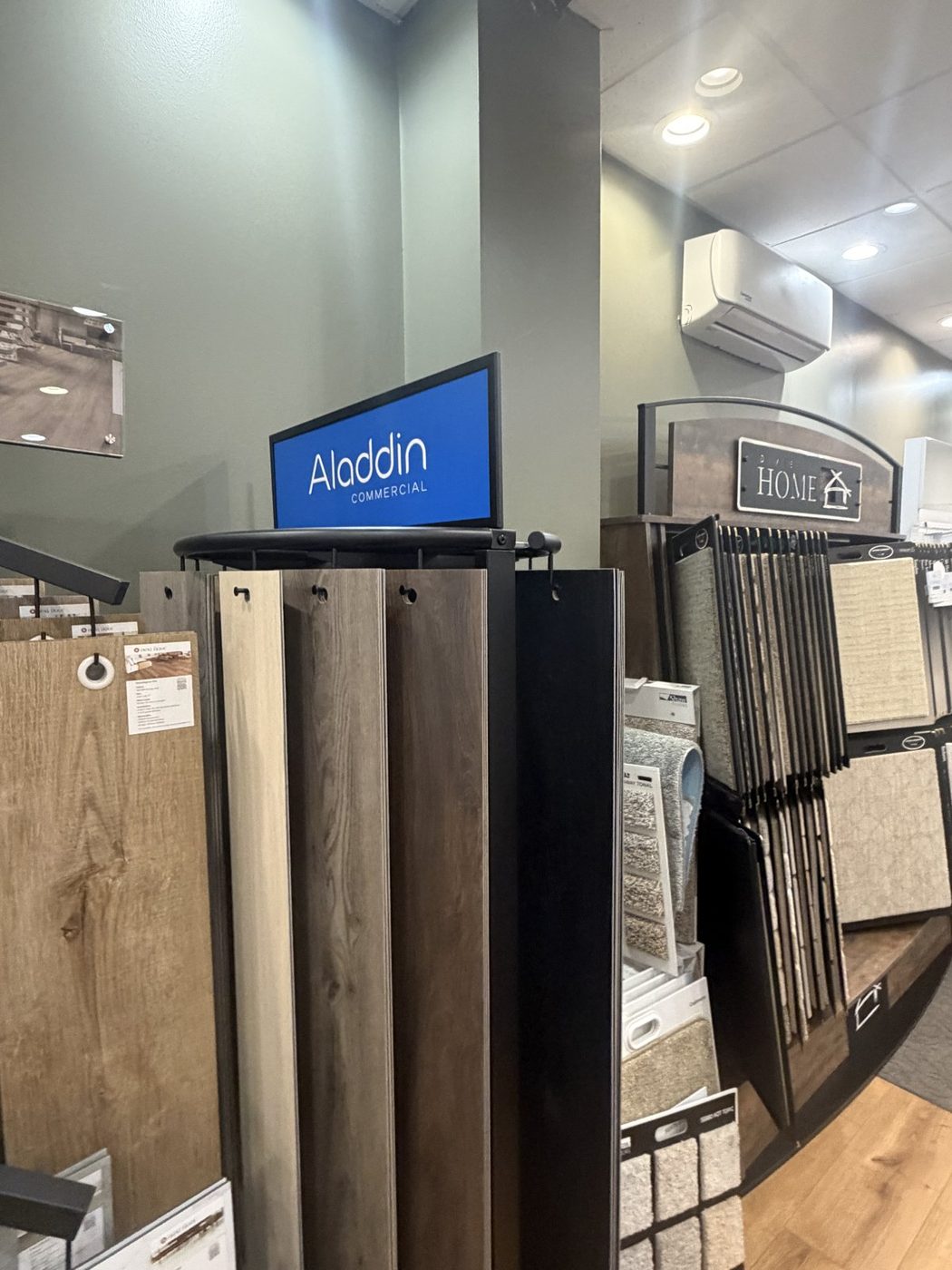
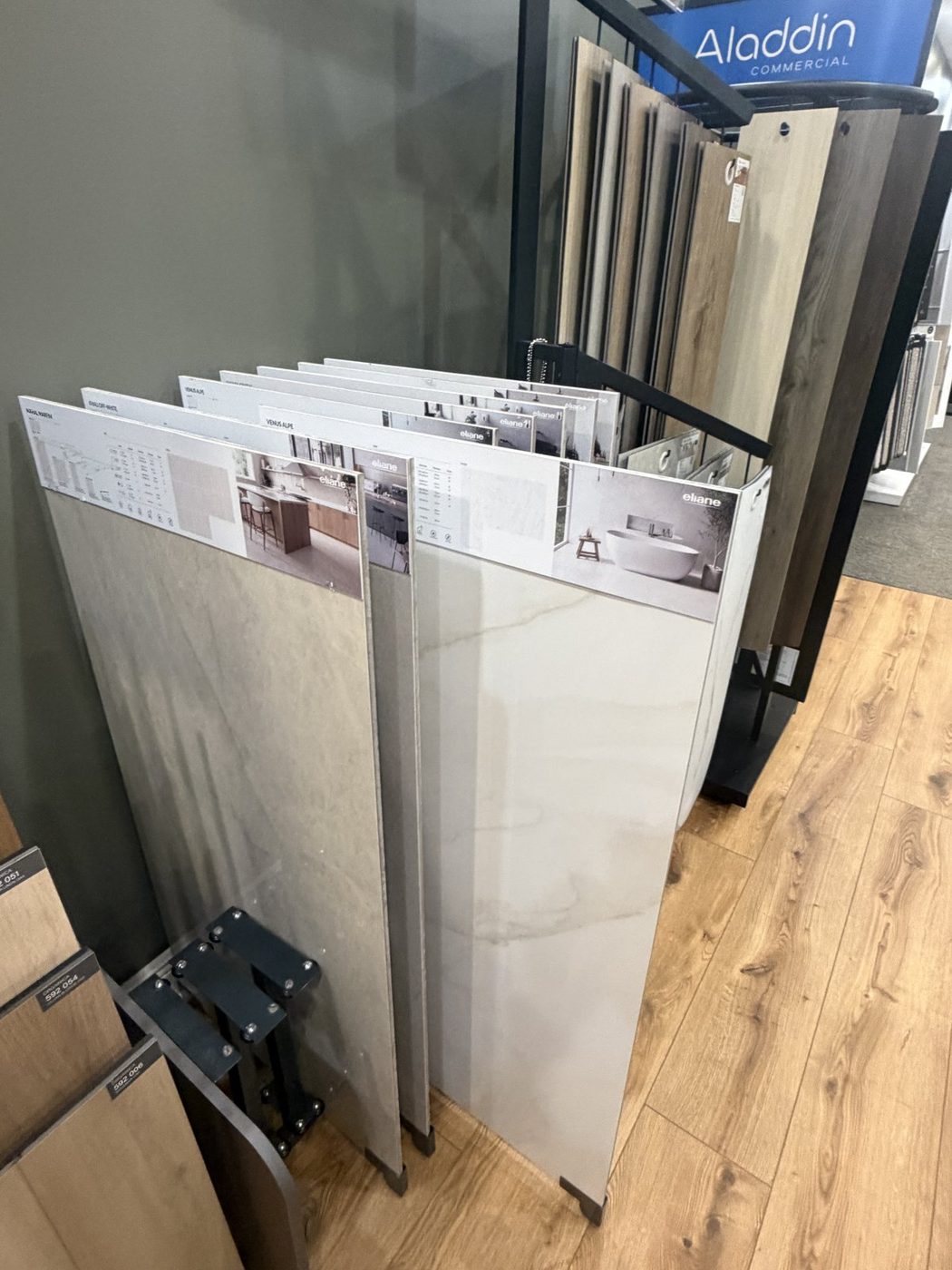
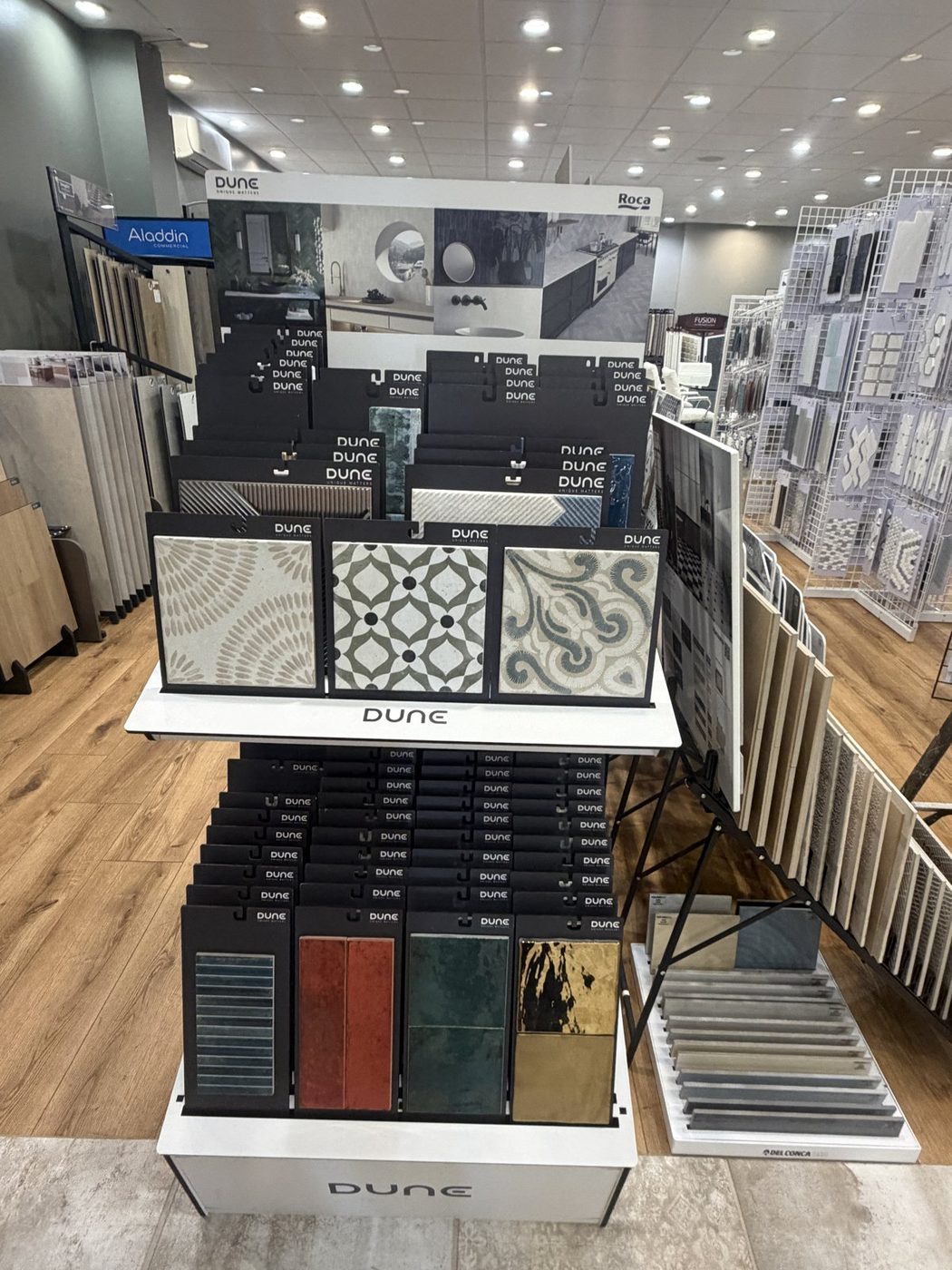
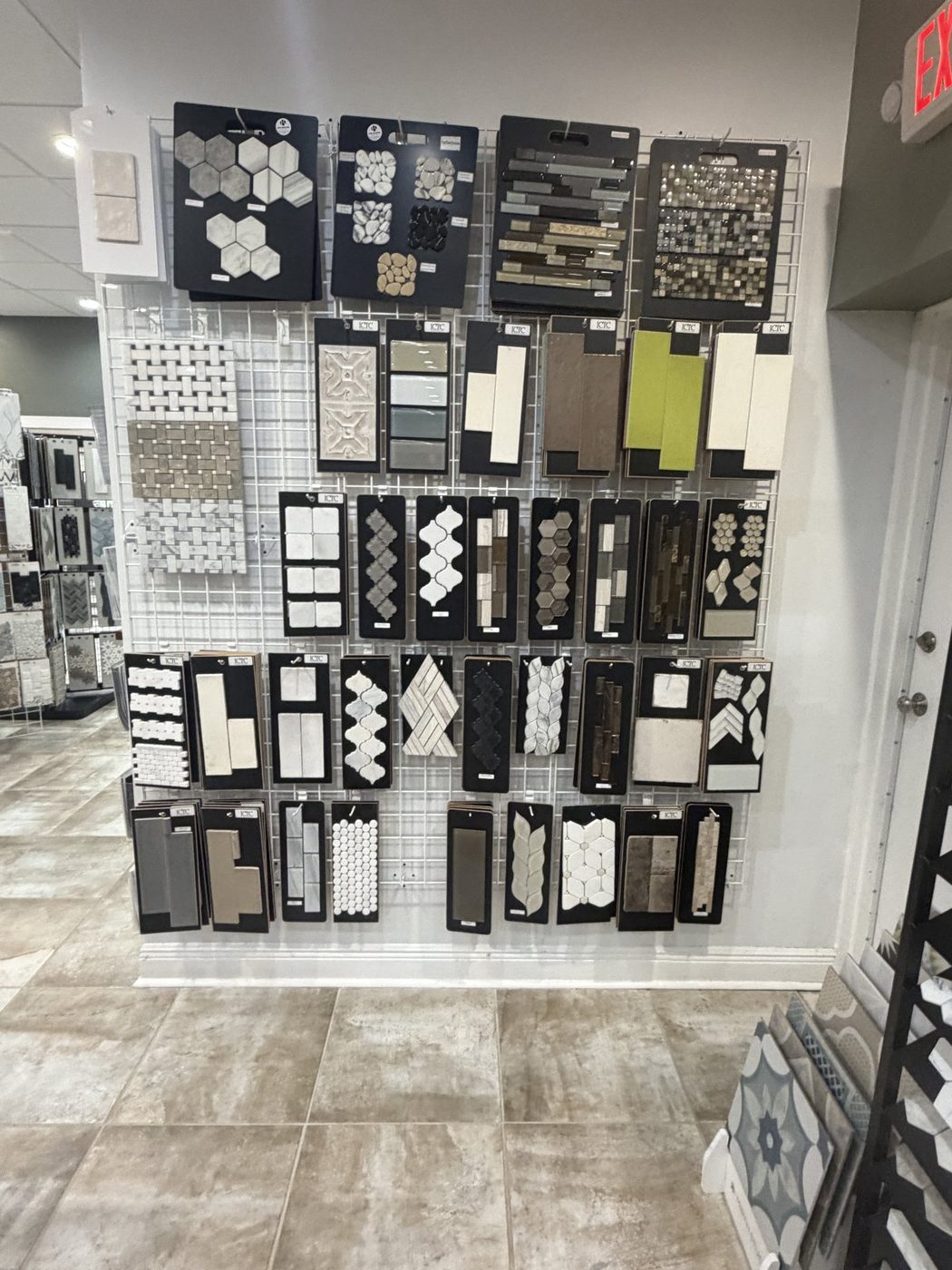
Photographed in our own showroom at 1138 Weems Street in Pearl — not stock pictures.
Let us look at your kitchen floor
Free commercial estimate across Pearl, Jackson, Brandon, Madison, Flowood, Ridgeland and the whole metro. We will come when you are closed.
Request a Commercial Estimate Call (601) 376-9654